The Comparative Organizational Inequality Network emerged from a mini-conference at the Society for the Advancement of Socioeconomics, in July of 2015 at the London School of Economics. The mini-conference was organized to bring together scholars interested in using linked employer-employee administrative data to blaze of new trail in the scholarship on labor inequality. Previous work in sociology, economics, and allied fields has mostly relied on surveys of individuals with little or no information on employers. This was an opportunity to collaboratively develop a new scientific field.
The initial COIN members arrived from Czechia (Alena Křížková, Czech Academy of Sciences), France (Olivier Godechot, Sciences Po), Germany (Sylvia Melzer, Bielefeld University), Norway (Are Hermansen, Oslo University), Slovenia (Alexandra Kanjuo-Mrčela, Ljubljana University), Sweden (Martin Hälsten, SOFI), and the United States (Dustin Avent-Holt, Augusta University; Nina Bandej and Andrew Penner, both University of California, Irvine: and Donald Tomaskovic-Devey, University of Massachusetts-Amherst).
At this first meeting we forged a strong sense of shared mission and a commitment to scientific innovation, collaboration, and fun. Other scholars at the mini-conference joined the project bringing access to data from the Netherlands (Zoltán Lippényi, University of Groningen) and South Korea (Eunmi Mun and Jiwook Jung, University of Illinois Urbana-Champaign). Tali Kristal (University of Haifa) promised to join if and when Israel created linked employer-employee administrative data and a few years later she was on-board as well. Over time the network expands, including so far researchers with data from Brazil, Canada, Denmark, Finland, France, Germany, Hungary, Japan, the Netherlands, Slovenia, Spain, and the U.S.
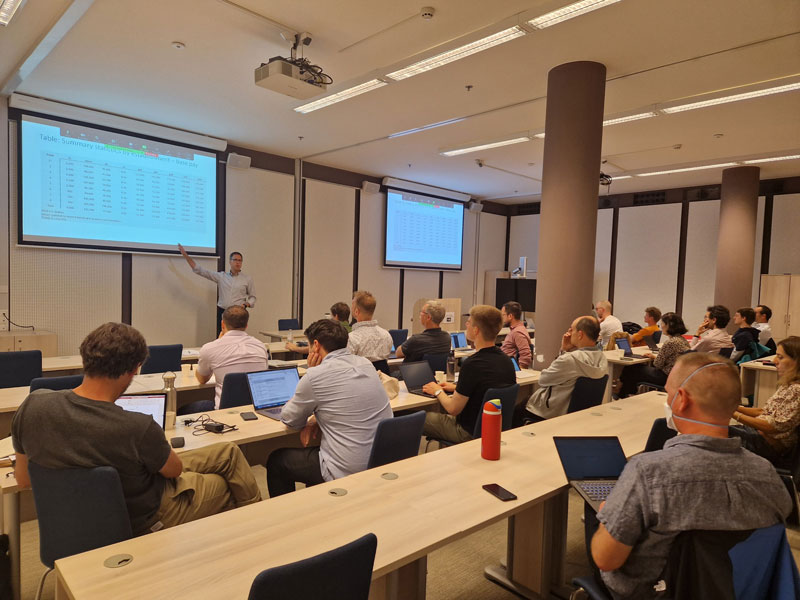
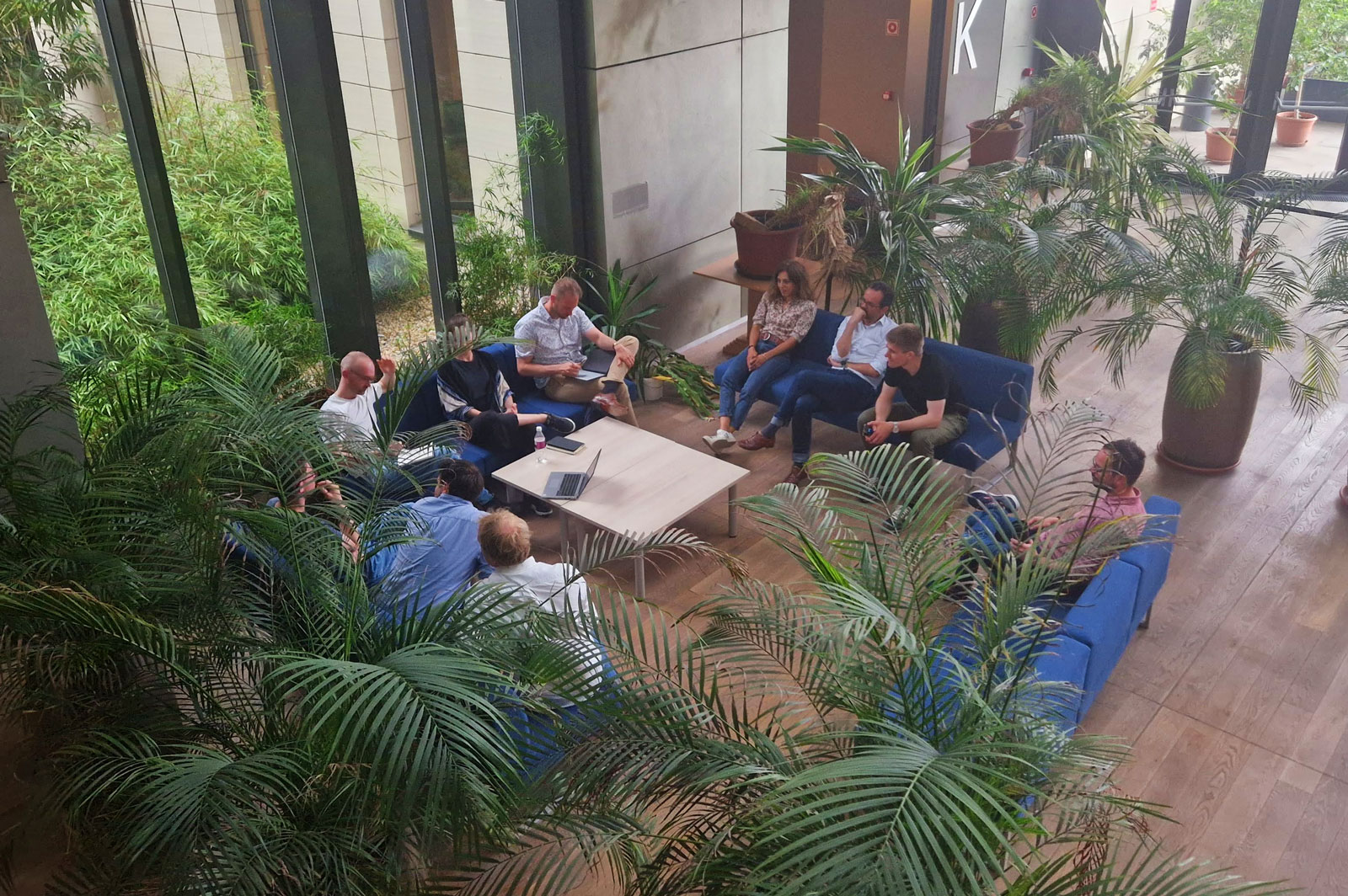
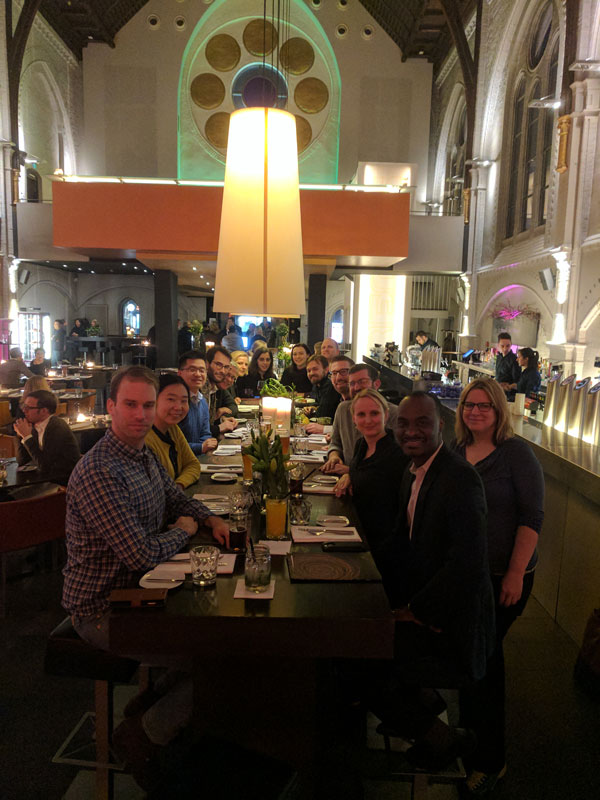
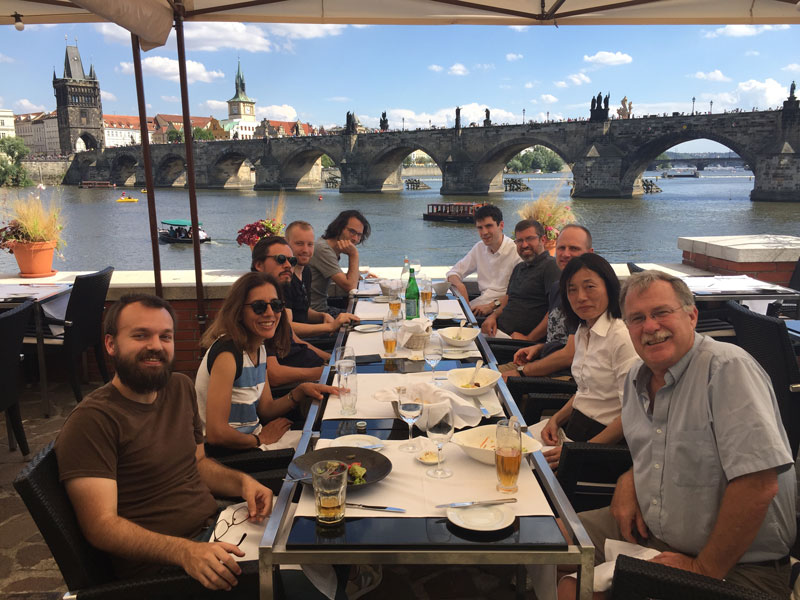
The COIN project has from the beginning been built around a deep sense of trust and respect for each other. Relationships were built at bi-annual meetings for the first five years, and once yearly meetings since 2020. So far meetings have been hosted in Bielefeld, Budapest, Copenhagen, Groningen, Ljubljana, Nuremberg, Paris, Prague, and Oslo. The basic structure of the project is as a network, with scientists accessing the highly confidential linked-employer employee data for their country. New scientific questions are proposed and discussed at COIN meetings. A lead scientist keeps each project moving forward, scientists with an interest in the research question sign on. As projects develop they are discussed, refined, critiqued at COIN meetings and eventually published in many of the top general science and social science journals.